To choose the right dehumidifier capacity for your basement gym, start by assessing the square footage. If your gym spans over 1,200 sq. ft., consider investing in a dehumidifier with a capacity of 50-60 PPD. For spaces measuring 600-800 sq. ft., a 30-50 PPD unit will suffice. For smaller gyms under 600 sq. ft., opt for a dehumidifier with a capacity of 20-30 PPD. Maintaining humidity within the ideal range not only enhances your workout experience but also protects your equipment from damage. Understanding how to manage humidity effectively is essential for creating a comfortable and safe home workout environment.
Key Takeaways
- Start by measuring the square footage of your home gym to determine the right dehumidifier capacity: for spaces under 600 sq. ft., look for a unit with a capacity of 20-30 PPD; for those between 600-800 sq. ft., aim for 30-50 PPD.
- If your gym exceeds 1,200 sq. ft., opt for a dehumidifier with a capacity of 50-60 PPD to effectively control moisture levels.
- Keep an eye on humidity levels, striving for an optimal range of 40-60% to ensure comfort and improve performance during your workouts.
- Recommended models for home gym setups include the Honeywell TP70PWKNR and the Midea MAD50PS1WS, which cater to various gym sizes and capacities.
- Proper humidity management not only protects your gym equipment from damage but also fosters a healthier environment for your home workouts.
Understanding Humidity Levels in a Basement Gym
Humidity is a crucial factor in creating a comfortable and effective home gym environment, especially in basements. High humidity levels, often exceeding the ideal range of 30-50%, can lead to equipment damage and encourage mold growth, both of which can hinder your workout experience.
To keep track of humidity levels, using a hygrometer is a smart choice. Aim to maintain humidity between 40-60%, which is optimal for exercising.
For basements under 800 square feet with moderate moisture, it’s important to choose a dehumidifier that can remove 10-25 pints of moisture per day. Selecting the right dehumidifier based on your gym’s size and humidity levels is key to preventing damage and ensuring a healthier space for your home workouts.
Stay motivated and focused on your fitness goals by maintaining the right environment!
Determining the Right Dehumidifier Capacity
How do you know if you’ve chosen the right dehumidifier capacity for your home gym?
Start by evaluating your gym’s square footage. For spaces over 1,200 square feet, look for a dehumidifier with a capacity of 50-60 pints per day (PPD) to effectively manage moisture.
If your gym is between 600-800 square feet, a medium capacity of 30-50 PPD should be sufficient.
For smaller areas under 600 square feet, aim for 20-30 PPD, especially if you notice dampness.
Regularly monitor relative humidity levels and strive to maintain ideal humidity between 30-50%.
This will ensure effective moisture management and create a comfortable training environment for your workouts at home.
Recommended Dehumidifier Models for Basement Gyms
Choosing the right dehumidifier for your basement gym is essential for creating a comfortable and conducive workout environment. Here are some top models to consider:
| Model | Capacity (PPD) |
|---|---|
| Honeywell TP70PWKNR | 70 |
| Honeywell TP70AWKNR | 70 |
| Honeywell TP50WKN | 32 |
| Midea MAD50PS1WS | 50 |
| Portable Air Dehumidifier | Varies |
For optimal moisture control, look for dehumidifiers that can handle at least 50 PPD. The Honeywell TP70PWKNR is a fantastic choice for larger areas, ensuring you can focus on your fitness routine without the discomfort of excess humidity. Additionally, the Energy Star-certified Midea MAD50PS1WS offers a perfect blend of efficiency and comfort, helping you maintain ideal humidity levels in your basement gym. Keep your workout space dry and enjoyable to enhance your home exercise experience!
Benefits of Maintaining Optimal Humidity
Maintaining optimal humidity levels in your home gym is crucial for creating a comfortable workout space while also safeguarding your health and your equipment.
The ideal humidity range is between 30-50% during the summer and 30-40% in the winter. Utilizing a dehumidifier can effectively extract excess moisture from the air, improving air quality and reducing allergens that may affect your performance.
Drier air not only enhances your workout experience but also helps prevent high humidity, which can cause mold growth and unpleasant odors.
Moreover, by controlling humidity, you protect your investment in home gym equipment from rust and deterioration, ensuring that it functions at its best for all your fitness goals.
Additional Tips for Basement Gym Setup
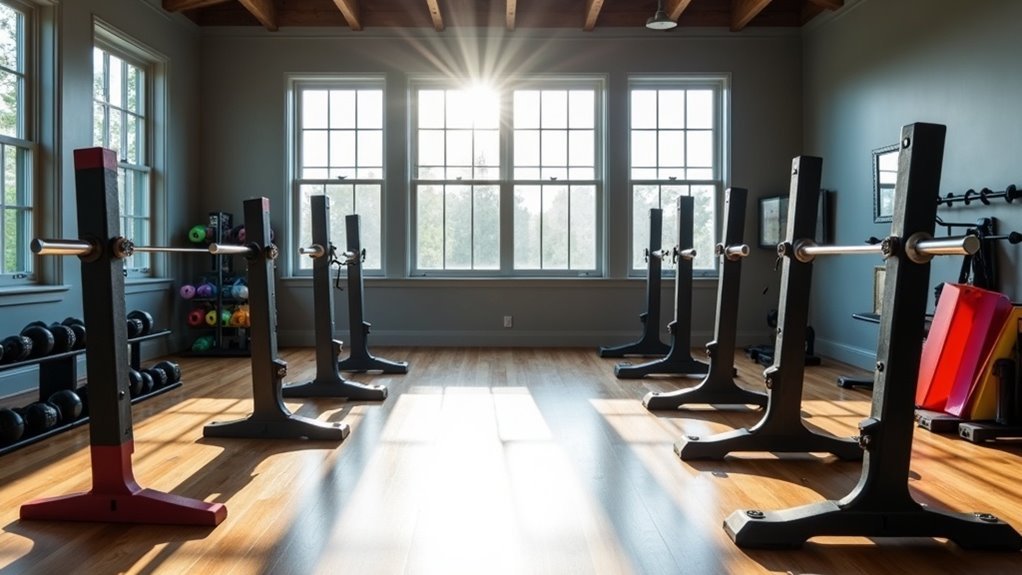
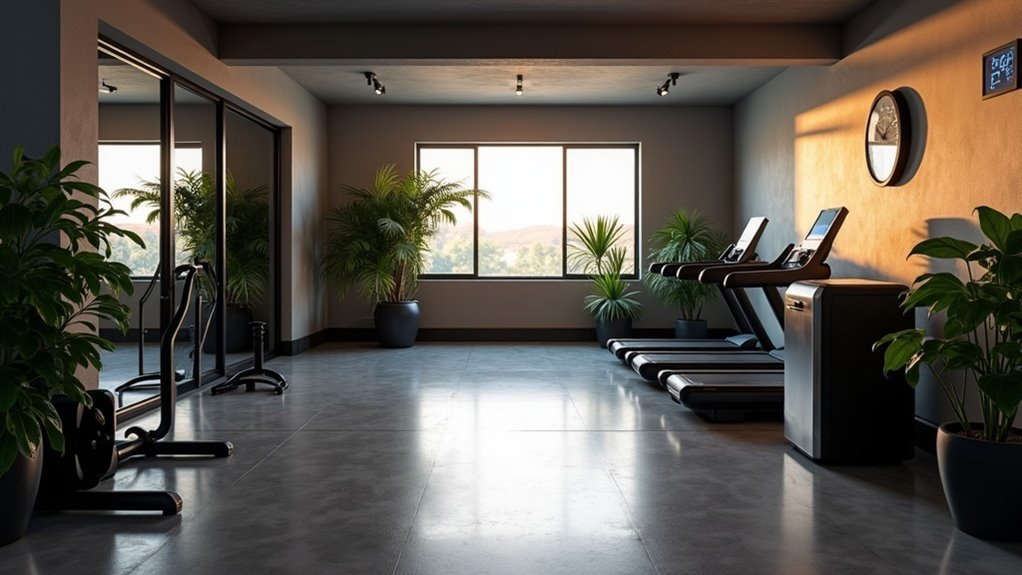
Creating an effective basement gym goes beyond just purchasing equipment; smart design choices can significantly enhance your workout experience and motivate you to stay healthy.
Start by ensuring adequate ventilation to promote airflow; stagnant air can impede your performance. Choose rubber flooring to provide impact absorption and reduce noise, making your workouts more enjoyable.
Ensure proper ventilation for optimal airflow and select rubber flooring to enhance comfort and minimize noise during workouts.
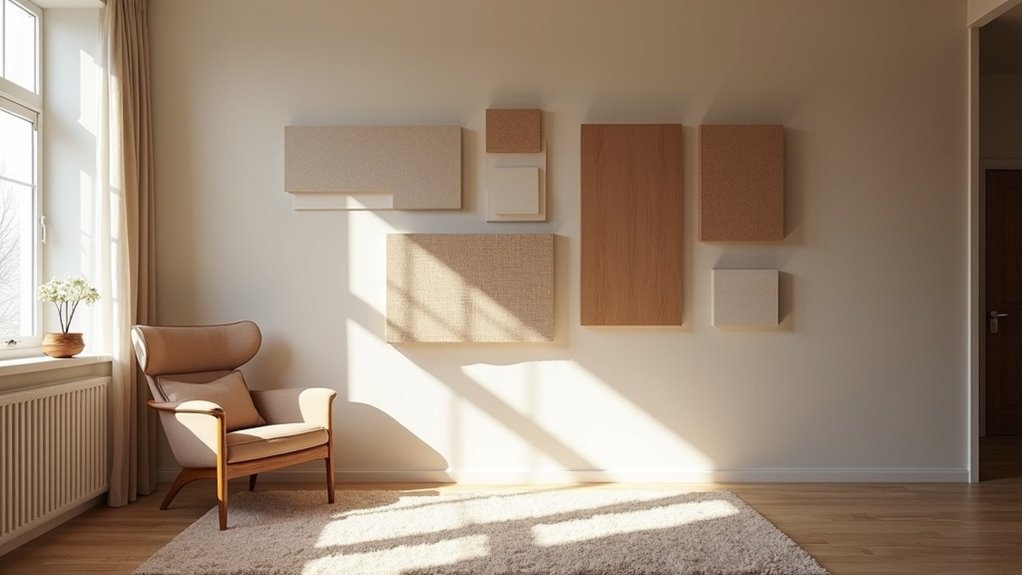
Organize your space with wall-mounted storage solutions to keep smaller equipment easily accessible while maintaining a clutter-free environment. Bright LED lighting is a worthwhile investment, as it improves visibility and boosts motivation during your workouts.
Keep an eye on humidity levels; a reliable dehumidifier is crucial for controlling moisture and protecting your equipment from damage. Look for an energy-efficient model with a suitable water tank size for your basement, especially if you have central heating.
With these thoughtful additions, your basement gym can become a motivating and functional space for achieving your fitness goals.