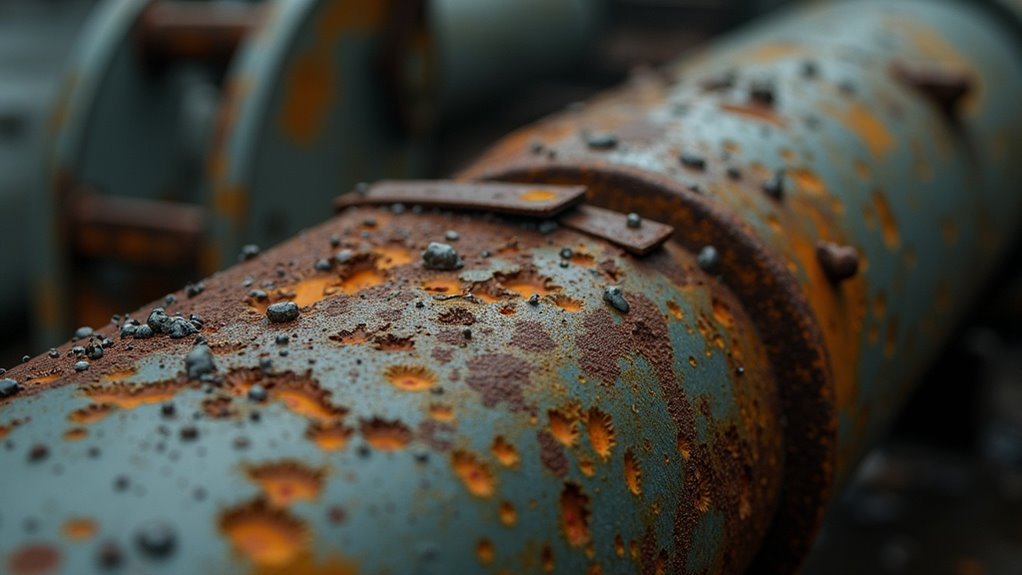
High humidity, temperature fluctuations, and the presence of pollutant gases can significantly increase the risk of corrosion on your home gym equipment. Elevated moisture levels promote electrochemical reactions that lead to deterioration, while sudden temperature changes can create stress in the metal components of your gear. Additionally, pollutant gases can contribute to corrosive environments, particularly in spaces with inadequate ventilation. All types of metals, including those used in home gym equipment, are susceptible to corrosion. These environmental factors can compromise both the safety and performance of your workout gear, making it essential to monitor and manage your home gym environment effectively. Stay tuned for more strategies to protect your equipment and ensure a safe, effective workout experience at home.
Key Takeaways
- High humidity levels in home gyms can promote electrochemical reactions, leading to accelerated corrosion on equipment.
- Elevated temperatures can increase reaction rates, causing faster material degradation in your fitness gear.
- Coastal environments with dissolved salts can significantly heighten the corrosion risk for metal home gym equipment.
- Pollutant gases can contribute to the formation of acidic compounds, further damaging your equipment in poorly ventilated workout spaces.
- Rapid temperature fluctuations may cause stress and micro-cracks in materials, making your equipment more vulnerable to corrosion.
Understanding Corrosion and Its Impact on Equipment
Corrosion, while often overlooked, can significantly impact the durability and performance of home gym equipment. This electrochemical process deteriorates metals through interactions with corrosive agents like moisture and sweat.
In environments where gym equipment is frequently used, high humidity and temperature fluctuations can accelerate material degradation, potentially leading to equipment failure. All metals, including those used in weight machines and free weights, are vulnerable, which can affect your workout experience and safety.
To protect your investment and ensure longevity, it’s crucial to implement effective maintenance and corrosion prevention strategies. By understanding how to care for your gym equipment, you can enhance its reliability, support your fitness goals, and promote a healthier lifestyle at home.
Environmental Conditions That Promote Corrosion
When home gym equipment is exposed to high humidity and elevated temperatures, it creates a perfect environment for corrosion to develop. These conditions facilitate electrochemical reactions that can lead to localized corrosion, potentially compromising the integrity of your equipment. In coastal areas, dissolved salts in the air can further accelerate the corrosion process, making it crucial for home gym owners to be aware. Additionally, pollutants in the air can contribute to the formation of acidic compounds when mixed with humidity, which can exacerbate corrosion rates. Equipment stored in less-than-ideal conditions, such as unventilated basements or garages, is particularly susceptible due to the accumulation of moisture and chemicals. Understanding these environmental factors is essential for implementing effective maintenance strategies to keep your home gym equipment in top shape.
| Environmental Factors | Effects on Corrosion |
|---|---|
| High Humidity | Facilitates electrochemical reactions |
| Elevated Temperatures | Increases reaction rates |
| Dissolved Salts | Accelerates corrosion in coastal settings |
| Pollutant Gases | Forms acidic compounds |
The Role of Pollutant Gases in Accelerating Corrosion
While you mightn’t realize it, maintaining a clean and well-ventilated home gym is essential for protecting your equipment and ensuring a healthy workout environment.
Pollutant gases can negatively impact your gym space, especially if it’s not properly ventilated. Factors like humidity and poor air quality can lead to a buildup of harmful substances, making it crucial to keep your gym area fresh.
Pollutant gases and poor air quality can harm your gym space, highlighting the importance of proper ventilation for a fresh environment.
Ensuring good airflow not only prevents corrosion on equipment but also promotes better breathing and overall health during workouts.
To maintain your home gym, consider using air purifiers and monitoring air quality to create an optimal exercise environment that supports your fitness goals.
Temperature Fluctuations and Their Effects on Metal Integrity
Temperature fluctuations can significantly affect the performance and durability of home gym equipment, making it crucial to understand their impact on your fitness gear. As temperatures change, materials in your equipment may expand and contract, which can lead to wear and tear over time.
High temperatures can accelerate the deterioration of components, especially in environments with high humidity, where moisture can promote rust and corrosion. Rapid temperature changes can create stress on various parts, potentially leading to micro-cracks that weaken the integrity of your equipment.
It’s important to monitor the conditions in which your gym gear is stored; elevated heat combined with humidity can greatly increase the risk of damage. By effectively managing temperature and humidity levels in your workout space, you can maintain optimal conditions that enhance the longevity of your equipment, ensuring they remain safe and effective for your home fitness routine.
Preventive Measures to Mitigate Corrosion Risks
To effectively combat corrosion risks on your home gym equipment, implementing preventive measures is essential for maintaining both functionality and aesthetics.
Implementing preventive measures is crucial for protecting your home gym equipment from corrosion while preserving its functionality and aesthetics.
Focus on these key strategies:
- Use corrosion-resistant materials like stainless steel to enhance durability and reduce maintenance costs, ensuring your equipment lasts through countless workouts.
- Apply protective coatings such as thermal spray to create barriers against humidity and corrosive agents, helping to preserve the appearance and integrity of your fitness gear.
- Install monitoring systems to continuously track environmental conditions in your workout space, allowing for timely interventions to protect your equipment from aggressive factors that could lead to corrosion.