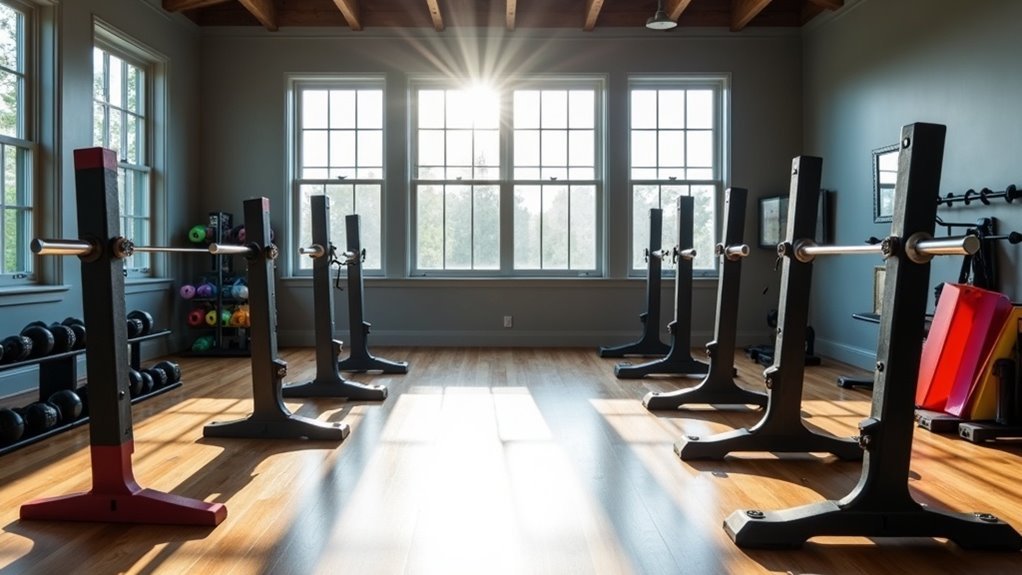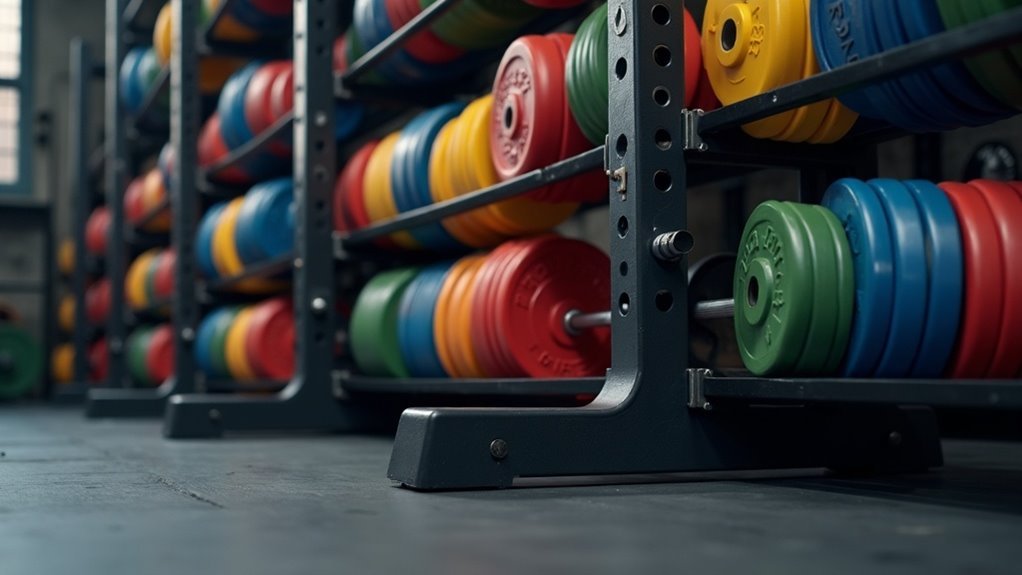
Several factors determine a rack’s real-world stability, especially when it comes to home gym equipment. First, the design and construction quality are crucial to ensure the rack can safely support the weights you plan to use while adhering to industry standards. Next, the materials employed, such as high-quality structural steel, significantly influence load capacity and overall durability, essential for a reliable home gym setup. Proper usage and load management are vital to prevent accidents and ensure safety during workouts. Additionally, it’s important to consider environmental conditions, like humidity or temperature fluctuations, which could affect the rack’s integrity over time. Lastly, routine inspections and maintenance are necessary to catch any signs of wear and address potential issues before they pose a risk. By exploring these aspects, you’ll enhance your understanding of rack stability and ensure a safe and effective home workout experience.
Key Takeaways
- Adhering to industry standards is crucial to ensure home gym racks can safely support the intended weight loads, providing peace of mind while you work out.
- Utilizing high-quality materials, especially structural steel, boosts the stability and load-bearing capacity of your home gym equipment.
- Proper installation is vital; strong joints and support bars maintain the integrity of your rack, allowing for safe and effective workouts.
- Regular inspections and maintenance are important to detect wear and environmental factors that could affect the stability of your gym setup.
- Practicing correct load management, like evenly distributing weights, minimizes the risk of tipping and enhances overall safety during your exercise routines.
Design and Construction of Racking Systems
When designing and constructing racking systems for home gym equipment, it’s essential to ensure they meet specific fitness needs and space requirements.
Make sure your design complies with industry standards, as this is critical for load capacity and safety, especially when storing weights and other equipment.
Utilize durable materials, such as structural steel, for stability, particularly in taller racks that need a wide base to safely hold various gym items.
Proper installation is fundamental, incorporating strong joints and support bars to prevent tipping or collapsing during use.
Conduct regular inspections to assess the integrity of the system and ensure adherence to safety protocols.
Quality of Materials Used in Racks
The quality of materials used in home gym racks is crucial for ensuring their stability and performance. Utilizing structural steel guarantees higher load capacity and durability, essential for supporting various gym equipment safely.
Cold-formed steel provides a lighter, cost-effective alternative, making it suitable for home setups. It’s important that the steel thickness and composition match the intended loads to prevent any failures while lifting weights.
Certified welders should adhere to AWS standards to maintain joint integrity under stress, keeping your workouts safe. Additionally, fasteners should meet ASTM standards; any missing or loose fasteners can compromise stability, putting your equipment and safety at risk.
Regular inspections are vital to identify any material weaknesses, reinforcing the importance of robust, high-quality materials to ensure long-term performance and safety in your home gym.
Proper Usage and Load Management
Adhering to proper usage and load management practices is essential for maintaining the stability and safety of your home gym equipment. It’s important to respect load capacity limits and ensure that weight distribution is even, with heavier items placed on lower levels for optimal balance. Avoid top-heavy configurations to enhance stability and reduce the risk of tipping over. Regular training on safe equipment usage is crucial, covering proper item placement and techniques to prevent load drops during workouts. Conducting regular checks on your home gym setup will help monitor its condition and document load management practices, aiding in early identification of potential issues. Below is a summary of key factors to consider:
| Factor | Importance |
|---|---|
| Load Capacity Limits | Prevents overloading |
| Weight Distribution | Enhances stability |
| Configuration | Reduces tipping risk |
| Operator Training | Ensures safe loading practices |
| Regular Checks | Identifies potential issues early |
With these guidelines, you can create a safe and effective home gym environment that supports your fitness journey.
Impact of Environmental Conditions on Stability
Maintaining stability in your home gym is essential for safe and effective workouts, and it’s not just about how you use your equipment or manage your weights; environmental conditions play a crucial role as well. High humidity and temperature fluctuations can compromise the integrity of your gym equipment, particularly the racks, which may lead to structural failures.
If your gym is located outdoors or in a harsh environment, opting for specialized finishes, such as galvanized coatings, is key to preventing corrosion and ensuring stability. Excessive moisture can lead to rust, which significantly reduces the load capacity of your racks.
To safeguard your investment, regular inspections and maintenance are vital for spotting the effects of environmental factors and ensuring that protective coatings remain intact. Additionally, training yourself and others who use the gym to recognize these environmental impacts will help prevent overloading equipment in high-temperature areas.
This proactive approach enhances both the longevity and safety of your home gym equipment, allowing you to focus on staying healthy and fit through your workouts.
Importance of Routine Inspections and Maintenance
While many home gym enthusiasts focus on workout routines and equipment usage, regular inspections and maintenance of your gym equipment are equally critical for ensuring safety and longevity.
Routine checks help identify equipment wear and tear, enabling prompt repairs that extend the lifespan of your at-home workout gear. Following manufacturer guidelines for maintenance is essential for maintaining safety standards.
Engaging knowledgeable individuals for inspections enhances reliability, ensuring that overlooked issues don’t compromise your fitness routine. Scheduled maintenance, alongside inspections, mitigates risks associated with equipment failure, safeguarding both your investment and the health of those who rely on it every day.