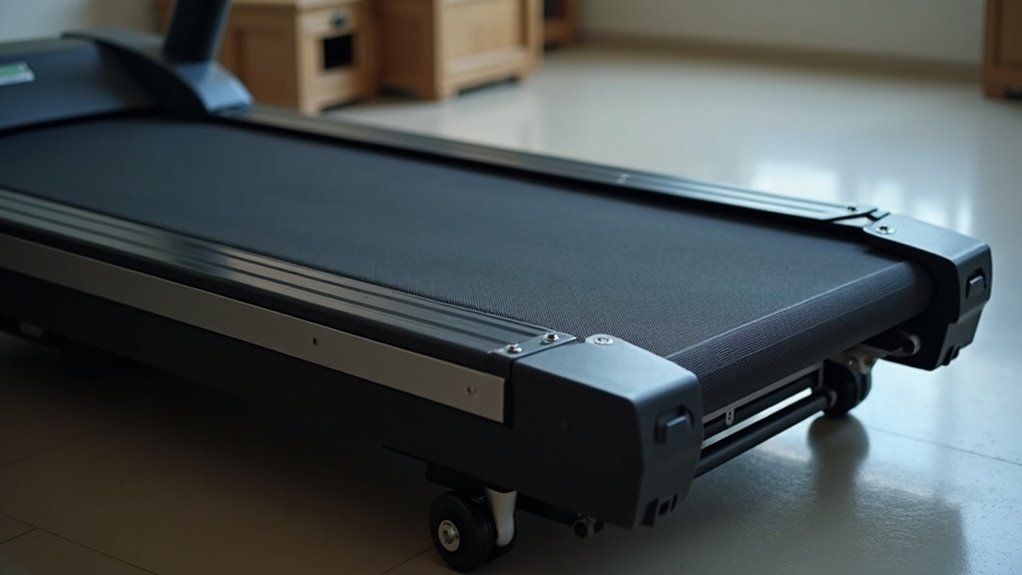
To determine if a used treadmill is a reliable addition to your home gym, start by checking for minimal wear on the walking belt and deck. They should be smooth and free of deep scratches, ensuring a safe and comfortable workout experience. Test the console to ensure buttons are responsive and readings are accurate, as this will impact your workout tracking. Evaluate the speed and incline adjustments; they should operate smoothly without any jerks or delays. Additionally, inspect any maintenance records available, as a history of proper care can indicate the treadmill’s longevity. Lastly, verify the warranty details for peace of mind and future support. By considering these indicators, you can make a well-informed decision about your purchase and take a step towards achieving your fitness goals at home. More insights await you!
Key Takeaways
- Inspect the walking belt for minimal wear, ensuring it shows no signs of discoloration or fraying, which can impact your workout experience.
- Check the console functionality; all buttons should respond accurately and display real-time metrics to help you track your progress.
- Evaluate the speed and incline mechanisms for smooth operation, ensuring they adjust seamlessly without any unusual noises that could disrupt your workout.
- Review maintenance records and warranty details to confirm that the treadmill has been well cared for, providing you with confidence in its reliability.
- Ensure the walking deck is smooth and free from deep grooves or scratches, indicating that it’s in good condition and ready to support your fitness journey.
Assessing the Condition of the Walking Belt and Deck
When assessing the condition of a used treadmill for your home gym, it’s crucial to focus on the walking belt and deck, as they play a significant role in ensuring safe and effective workouts.
Check the walking belt for any signs of wear, such as discoloration or fraying, particularly in the center where friction is most prevalent.
Inspect the walking belt for wear indicators like discoloration or fraying, especially where friction occurs most.
Lift the edge of the walking belt to confirm that the walking deck is smooth and free from deep grooves or scratches; a well-maintained deck is essential for optimal performance.
Additionally, evaluate the belt’s tension – it should be taut. A loose belt can slip, which poses risks to your safety and reliability during workouts.
Keeping these factors in mind will help you make an informed decision for your home exercise routine.
Testing Console Functionality
How well does the console respond during your test? To ensure you’re making a smart investment in a treadmill for your home gym, check these key features:
- Test all buttons, including start, stop, speed, and incline adjustments.
- Listen for beeping sounds that indicate the console is working properly.
- Verify that the handlebars have functional buttons; non-responsiveness may signal potential issues.
- Monitor the display for accurate readings; ensure metrics adjust correctly with your settings.
A responsive console is crucial for an effective workout; if it isn’t functioning properly, it could lead to costly repairs or replacements down the line.
Always prioritize this step when evaluating your treadmill to support your fitness journey at home.
Evaluating Speed and Incline Mechanisms
Evaluating the speed and incline mechanisms of a used treadmill is essential for ensuring it aligns with your home workout goals.
Begin by checking if the incline adjusts smoothly across all settings, as this versatility is crucial for varying workout intensities.
Test the treadmill at maximum speed, confirming it can exceed 10 mph without any irregularities. Gradually increase the speed from the lowest setting, paying attention to any hesitation or jerking movements.
Listen for unusual noises during adjustments; grinding sounds could indicate wear and tear.
Finally, ensure that all speed and incline buttons respond properly, as non-functional controls may point to underlying electronic issues.
This thorough evaluation helps guarantee a reliable and effective workout experience, empowering you to stay healthy and fit from the comfort of your home.
Importance of Regular Maintenance
After evaluating the speed and incline mechanisms, it’s crucial to understand that regular maintenance is key to keeping your treadmill running smoothly and reliably over time.
By committing to a consistent maintenance routine, you can prevent wear on essential components, ensuring your home gym equipment serves you well for years to come.
Here are four essential maintenance tasks to incorporate into your routine:
- Lubricate the walking belt every 3-6 months to reduce friction and improve performance.
- Clean the treadmill regularly to prevent dust buildup, which can protect electronic components and enhance functionality.
- Inspect the power cord and outlet to avoid any potential electrical hazards, keeping your workout environment safe.
- Document maintenance records to track service history and identify any wear patterns, allowing for timely interventions.
Checking for Warranty and Service Records
When considering a used treadmill for your home gym, checking for warranty and service records is crucial to ensure you’re making a smart investment in your fitness journey.
Always inquire if the warranty is transferable; having this option can provide you with peace of mind for any future repairs or replacements. Request documentation that clearly outlines the warranty’s start and end dates.
Additionally, take a close look at the service record for maintenance history; well-maintained treadmills are typically more reliable for your workouts. Ask about any previous issues or repairs, as a clean service history often indicates better overall condition.
Lastly, research customer reviews to assess the brand’s reliability and the longevity of the model, ensuring you’re making a solid choice for your home exercise routine.
Analyzing Cost-Effectiveness Based on Condition
When considering the purchase of a used treadmill for your home gym, understanding its cost-effectiveness based on condition is crucial for making a smart investment.
Understanding the cost-effectiveness of a used treadmill’s condition is vital for making a wise investment in your home gym.
Here are some key factors to keep in mind:
- Price: Aim for models priced under $1,000 that offer a minimum of a 2.5 hp motor, which is ideal for running and can support various workout intensities.
- Belt Condition: Check the walking belt for signs of wear. A treadmill with a well-maintained belt not only provides better performance but also indicates overall durability and value.
- Age vs. Usage: An older treadmill that has been well cared for can be a better buy than a newer model that shows signs of heavy use. Look for one that has been lightly used to maximize your return on investment.
- Console Functionality: Ensure the console is fully operational. A functional console is a strong indicator of proper maintenance, which enhances the reliability of the equipment.