Use safety straps instead of pin safeties when you’re performing dynamic lifts at home that require freedom of movement and quick adjustments. Straps provide a forgiving catch, enhancing safety during heavy lifts and helping you maintain focus on your form. They’re ideal for advanced lifters pushing their limits and those who prefer to work out solo. On the other hand, pin safeties are more suited for static lifts with fixed weights, making them great for beginners or those focusing on strength training at home. For more tips on optimizing safety and efficiency in your home workouts, keep exploring our resources.
Key Takeaways
- Use safety straps for dynamic movements that offer greater freedom of motion and flexibility during lifts, making them ideal for home workouts.
- Opt for safety straps when performing exercises with varied lift heights, allowing for quick adjustments to suit your routine as needed.
- Choose safety straps for solo workouts to enhance safety and reduce the risk of injury during failed lifts, promoting a safer home gym environment.
- Select safety straps for advanced lifters pushing their limits, as they provide a forgiving catch and minimize impact, which is beneficial for at-home training sessions.
- Utilize safety straps in home gyms with limited space, as they are more adaptable and help reduce wear on your equipment, ensuring longevity for your workout tools.
Understanding Safety Straps and Their Benefits
Safety straps are essential tools for anyone looking to enhance their home gym experience while prioritizing safety during workouts.
Their adjustable design allows you to customize the height, making them perfect for a variety of exercises, including bench presses, squats, and deadlifts.
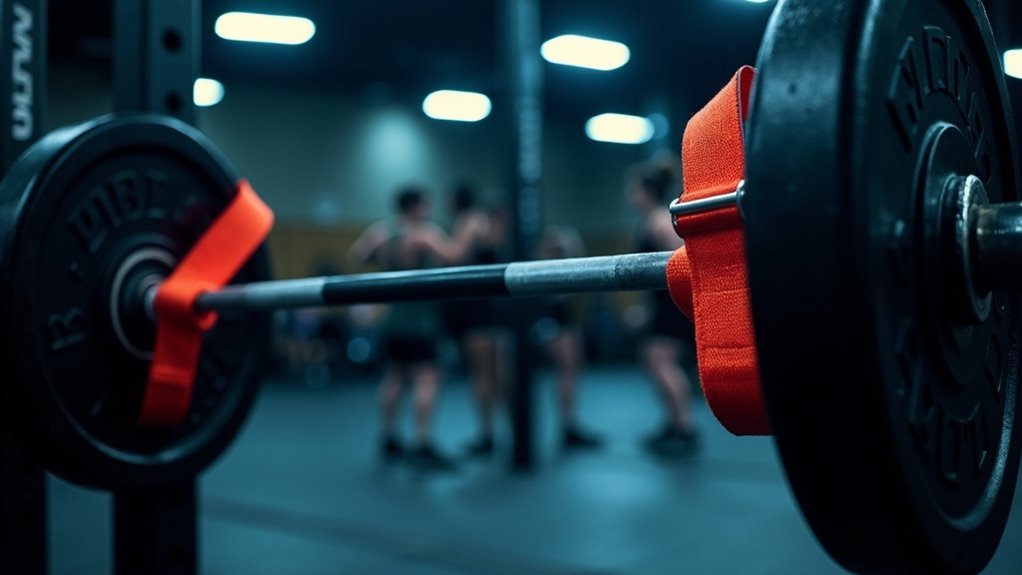
Unlike rigid pin safeties, safety straps absorb impact and cushion the fall of a barbell during failed lifts, significantly reducing the risk of injury and equipment damage.
Made from durable nylon material, these straps provide excellent shock absorption, resulting in a smoother lifting experience, with weight capacities ranging from 700-1,000 lbs.
Properly adjusting safety straps not only boosts your safety but also accommodates various lifting styles, helping you achieve your fitness goals effectively from the comfort of your own home.
Key Differences Between Safety Straps and Pin Safeties
When comparing safety straps to pin safeties for your home gym setup, you’ll find important differences that can enhance your lifting experience.
Here are four key distinctions:
- Flexibility: Safety straps absorb impact, offering a softer landing compared to the rigid stops of pin safeties, making them gentler on your joints during home workouts.
- Versatility: Straps can be easily adjusted to accommodate various heights, allowing for a more customized workout, while pin safeties are fixed in place and may not suit all exercises.
- Equipment Protection: Safety straps help minimize wear on your barbells, providing better protection for your equipment, whereas pin safeties can cause metal-on-metal contact that may lead to damage.
- User Efficiency: Straps are simpler to adjust, promoting a smoother workout flow, while pin safeties can be cumbersome and interrupt your routine.
These differences underscore the advantages of prioritizing safety and efficiency in your home gym, helping you stay healthy and fit.
Advantages of Using Safety Straps for Lifts
Using safety straps during home gym lifts provides significant advantages that enhance both performance and safety for all fitness enthusiasts.
These straps offer a forgiving catch for failed lifts, effectively absorbing impact and minimizing the risk of injury, which is especially important for those working out alone. This feature allows you to concentrate on your form without the worry of jarring impacts that can occur with traditional pin safeties.
Safety straps provide a secure catch for failed lifts, allowing you to focus on form without fear of injury.
Their adjustable design permits quick height modifications, making it easy to accommodate various lifts seamlessly, whether you’re training for strength or endurance.
Additionally, safety straps help reduce wear on your valuable barbells, ensuring they last longer, while also creating a quieter workout environment.
With shock-absorbing capabilities designed to handle weights from 700-1,000 lbs, you can lift confidently in your home gym, knowing you’re protected and your equipment is secure.
How to Properly Adjust Safety Straps
Adjust your safety straps correctly to ensure both safety and optimal performance during your home workouts. Follow these steps to guarantee they’re adjusted properly:
- Securely attach safety straps to the power rack uprights at your desired height, suitable for your home gym setup.
- Position the straps to catch the barbell just below your lowest lift position, ensuring safety during your exercises.
- Adjust the straps based on the lift type—set them higher for squats and lower for deadlifts, catering to your fitness routine.
- Regularly inspect the straps for wear and tear to ensure material integrity, keeping your home gym safe and effective for both men and women.
User Experiences: Safety Straps in Action
How do safety straps elevate your home lifting experience?
Users have found that safety straps offer a softer landing for your barbell during failed lifts, significantly reducing injury risks compared to traditional rigid pin safeties. Their shock-absorbing features minimize jarring impacts, safeguarding both you and your barbell.
The adjustable design of these straps allows for quick height modifications between different lifts, enhancing the efficiency of your at-home workouts. Additionally, feedback highlights the quieter operation of safety straps, contributing to a peaceful workout environment.
Many home gym enthusiasts find them versatile and effective, not just for squats but also for deadlifts and rack pulls, ensuring an overall improved lifting experience in the comfort of your home.
Choosing the Right Safety Straps for Your Power Rack
When selecting safety straps for your power rack, it’s essential to ensure compatibility with your specific rack model, as mismatched sizes can compromise both safety and performance.
Ensure your safety straps are compatible with your power rack model to maintain optimal safety and performance.
Here are some important factors to consider when making your choice:
- Material: Look for heavy-duty straps made from durable materials with strong stitching to withstand rigorous workouts.
- Adjustability: Opt for adjustable safety straps that can accommodate various lifting heights, making them suitable for all users.
- Length: Choose from sizes like 24”, 30”, or 41” to match your personal lifting preferences and workout routines.
- Impact Absorption: Select straps designed to absorb impact, which helps reduce wear on your equipment and enhances safety during your exercises.
Best Practices for Enhanced Safety During Workouts
To enhance safety during your home workouts, it’s essential to ensure that your safety straps are properly adjusted to fit your lifting style and body mechanics.
Choosing high-quality materials for your safety straps is equally important, as this directly affects their reliability and performance under load.
Additionally, conducting regular maintenance checks will help you identify any signs of wear and tear, ensuring your home gym setup remains secure and safe for your fitness journey.
Proper Strap Adjustment
Proper strap adjustment is crucial for ensuring safety during your home workouts, as it directly impacts the stability and security of the barbell.
To maintain optimal safety with safety straps, follow these best practices:
- Set straps at mid-thigh level for a secure resting position of the barbell.
- Ensure straps are tightly secured to the power rack’s uprights using heavy-duty bolts for added stability.
- Adjust straps based on the specific exercise you’re performing, whether it’s squats or deadlifts.
- Regularly inspect straps for any fraying or damage and replace any compromised ones to keep your home gym safe and effective.
Choosing Quality Materials
Selecting quality materials for safety straps is crucial for ensuring a safe and effective home workout.
Prioritize heavy-duty nylon or rubber, as these materials can endure substantial weight while providing lasting durability. Pay attention to the integrity of the stitching; poor stitching can compromise performance and put your safety at risk.
It’s important to choose straps that are specifically designed for your type and size of power rack, as compatibility plays a significant role in lift performance. Opt for strength-tested straps, with some capable of handling over 1,000 lbs, to ensure reliability during your workouts.
Regularly inspect your safety straps for any signs of wear and tear; maintaining your equipment is essential for preventing accidents and creating a secure exercise environment at home.