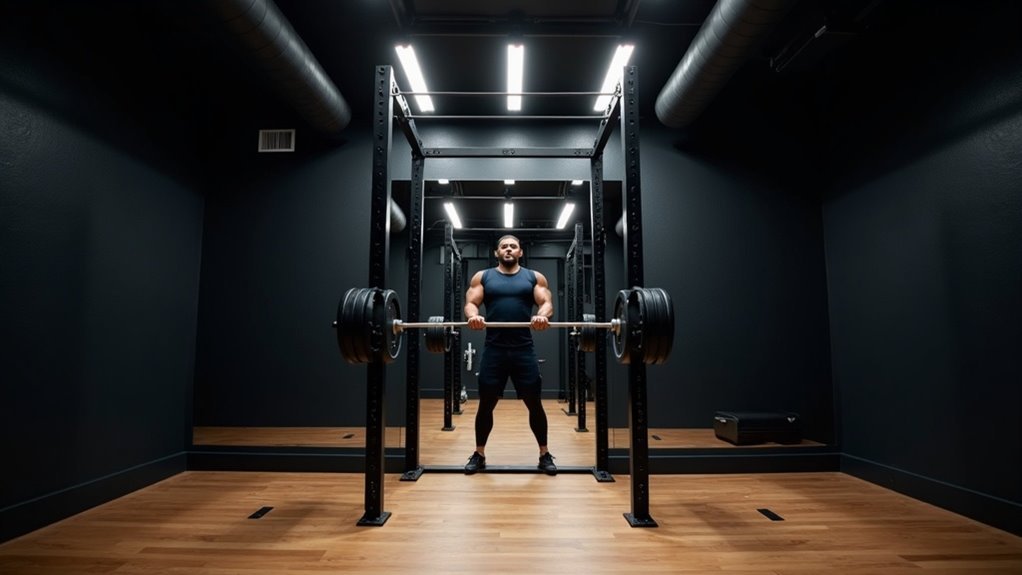
To effectively mount mirrors for deadlift setup checks in your home gym, position them at a height of 16 to 20 inches from the ground. Install mirrors on a wall that provides a side view of your lift, ensuring they’re at a 45-degree angle for optimal bar path observation. Utilize natural light to enhance visibility and reduce shadows during your workouts. Secure the mirrors safely with heavy-duty adhesive or brackets to ensure they remain stable during your lifts. By focusing on your form through these mirrors, you’ll be able to improve your technique and elevate your home workout experience. Explore more tips for perfecting your setup and achieving your fitness goals!
Key Takeaways
- Install mirrors 16 to 20 inches from the ground to ensure optimal visibility during your deadlift workouts at home.
- Position mirrors at a 45-degree angle, which allows you to effectively observe the bar path as you lift.
- Choose a wall that offers a clear side view, making it easier to monitor your hip hinge mechanics for better form.
- Align the center of the mirrors with your hip level to receive the best feedback on your lifting technique.
- Make sure the mirrors are securely mounted to handle vibrations, ensuring safety during your lifts and providing a reliable workout environment in your home gym.
Importance of Mirror Placement for Deadlifts
When you’re perfecting your deadlift technique at home, the placement of mirrors is crucial for your training success. Positioning large mirrors at a 45-degree angle in your workout space allows you to effectively monitor your back position and bar path.
Side view mirrors are particularly beneficial for checking your hip hinge mechanics, helping to prevent injuries. For optimal visibility, the bottom edge of the mirrors should be 16 to 20 inches off the floor.
Arranging multiple mirrors with 1/8 to 1/4 inch spacing not only enhances the aesthetic appeal of your home gym but also improves functionality, enabling you to assess your alignment and technique from various angles.
Whether you’re a man or a woman, having the right setup can make a significant difference in your home workout experience.
Ideal Height for Deadlift Mirrors
When setting up mirrors for deadlifts in your home gym, it’s essential to consider their height carefully to ensure optimal visibility. Aim to position the bottom edge of the mirror between 16 to 20 inches off the ground, aligning the center with your hip level for the best feedback.
Additionally, adjust the angle of the mirror to effectively capture your bar path and form—this adjustment can significantly enhance your lifting technique and overall performance.
Whether you’re a man or woman, having the right setup will help you maintain proper form and stay healthy while exercising at home.
Mirror Height Guidelines
To effectively monitor your form during deadlifts in your home gym, it’s crucial to mount mirrors at the right height. Follow these mirror height guidelines by positioning mirrors 16 to 20 inches from the floor, ideally around 4 feet for optimal visibility.
This height helps prevent obstructed views and ensures an accurate reflection of your hips and back in a side view, which is essential for both men and women looking to improve their technique. Make sure to secure the mirrors perfectly level to avoid any movement that could lead to misleading feedback.
Additionally, maintain a consistent gap of 1/8 to 1/4 inch between multiple mirrors to achieve a seamless view, allowing you to refine your lifting technique and support others on their fitness journey at home.
Consider Viewing Angles
How can you ensure that your mirrors provide the best possible view during deadlift checks at home?
Start by installing your mirrors at a height that allows full visibility, ideally about 16 to 20 inches from the floor. Position them at a 45-degree angle behind you, allowing you to easily assess your hip hinge mechanics and back angle. The top edge should be positioned 6 to 8 inches above your eye level for optimal viewing angles.
If you’re using multiple mirrors, keep a consistent gap of 1/8 to 1/4 inch between them for seamless technique checks.
Lastly, make sure the mirror’s reflective surface is clear to provide accurate feedback during your deadlift, helping you stay healthy and achieve your fitness goals in your home gym.
Adjust for Bar Path
While you might think mirrors are just for checking your posture, their perfect height is essential for tracking your bar path during deadlifts in your home gym.
Position the bottom edge of the mirror 30 to 36 inches from the floor for maximum visibility.
Here’s how mirrors can enhance your home workout experience:
- Install mirrors directly in front of your deadlift area to ensure proper form.
- Use side-view mirrors to monitor your back angle and hip hinge effectively.
- Consider positioning a mirror at a 45-degree angle for improved visualization of your bar path.
- Utilize adjustable mounts to accommodate different lifter heights, making it versatile for all users.
- Ensure the mirrors help you maintain proper technique throughout the lift, promoting safety and effectiveness in your home training routine.
Best Wall Locations for Mirror Installation
Where’s the best place to install mirrors for your deadlift checks in your home gym? Choose a wall that provides a side view, which is essential for monitoring your back position and bar path during your lifts.
Position the gym mirrors about 16 to 20 inches off the floor to ensure you can see your entire body without obstruction. Make sure to select a wall with a flat surface to maintain accurate reflections and enhance the overall aesthetics of your workout space.
It’s also a good idea to place the mirror perpendicular to natural light sources to improve visibility. By dedicating a specific area for lifting, you’ll minimize distractions and focus on perfecting your form, which is crucial for maintaining your fitness routine effectively at home.
Considerations for Lighting and Visibility
When setting up your mirrors for deadlift checks in your home gym, it’s essential to consider how lighting impacts visibility.
Position your mirrors to take advantage of natural light and minimize shadows that could hide your form. The right angle and placement can significantly enhance your ability to see your full body alignment clearly, helping you maintain proper technique and stay healthy while exercising at home.
Optimal Mirror Placement
Achieving ideal mirror placement is essential for perfecting your deadlift technique, especially in a home gym setting.
To enhance your fitness routines and provide clear technical details, keep these tips in mind:
- Position mirrors at a 45-degree angle to effectively monitor your hip hinge mechanics.
- Set mirrors approximately 24 inches off the ground for optimal visibility while lifting.
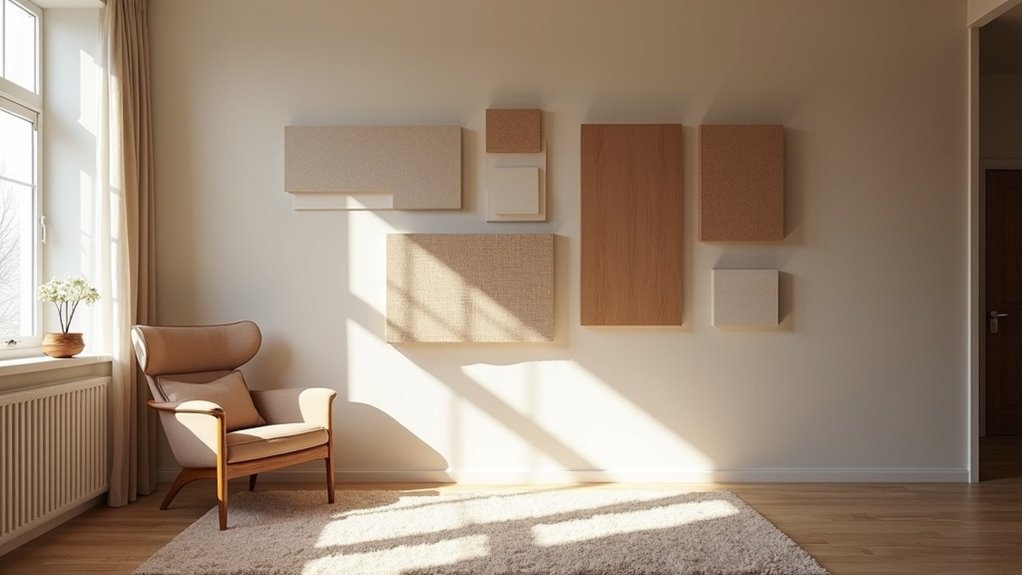
- Install mirrors perpendicular to windows to maximize natural light reflection, creating a brighter workout space.
- Ensure a clear line of sight from your lifting position to the mirrors for accurate feedback on your form.
- Consider using large mirrors to gain extensive feedback from multiple angles, helping you refine your technique.
With the right mirror setup in your home gym, you’ll empower yourself and others to improve their deadlift form and stay healthy through exercising at home.
Lighting Angle Importance
A well-lit home gym is essential for maximizing your mirror setup, especially when it comes to monitoring your deadlift form.
Understanding the importance of lighting angle is crucial; position mirrors perpendicular to windows or primary light sources for optimal visibility. Avoid harsh overhead lighting directly above, as it can create glare that obscures your technique.
Instead, incorporate multiple light sources to maintain a clear view of your posture. This arrangement minimizes shadows, allowing you to easily spot and correct common mistakes.
Types of Mirrors Suitable for Deadlift Checks
Mirrors are a vital component in perfecting your deadlift technique, and choosing the right type can significantly impact your performance. Here are some mirror options to consider for your home gym setup:
- Full-Length Mirrors: Aim for mirrors that are at least 4 feet wide and 6 feet tall to ensure you have comprehensive visibility of your form during lifts.
- Side View Mirrors: Position these at a 45-degree angle to effectively monitor your back position and alignment as you perform the deadlift.
- Distortion-Free Mirrors: Opt for mirrors that provide accurate reflections without any warping, ensuring you receive reliable feedback on your technique.
- Mirror Clips: Utilize these clips to securely fasten your mirrors in place, keeping them stable during your workout.
- Securely Mounted Mirrors: Safety is paramount, so choose mirrors that are securely mounted to reduce the risk of shattering or falling while lifting heavy weights.
Select your mirrors wisely to enhance your deadlift performance and create a more effective home gym environment!
Tips for Securing Mirrors Safely
To ensure your mirrors are securely mounted for checking your deadlift form, begin by positioning them at eye level or slightly lower for optimal visibility of your back angle and hip position.
Utilize heavy-duty mirror adhesive or sturdy mounting brackets to ensure they can withstand the vibrations during your lifts.
When installing the mirrors, leave a 1/8 to 1/4 inch gap between them to prevent cracking and allow for any slight wall movement.
Make it a habit to regularly inspect the mounting hardware; tighten or replace screws and brackets as necessary to maintain safety.
Consider using safety-backed mirrors or acrylic options, as they’re less likely to shatter, providing an extra layer of protection in your home gym environment.
This setup won’t only enhance your workout experience but also keep your space safe and functional.
Monitoring Form and Technique Using Mirrors
While monitoring your form during deadlifts at home, strategically placed mirrors can be a game-changer in refining your technique. Here’s how to maximize their effectiveness for ideal visibility:
- Position side mirrors at a 45-degree angle to effectively track your back position and bar path.
- Ensure mirrors are in your line of sight for real-time adjustments while lifting.
- Use a full-length mirror in front to check your shoulder alignment and overall posture.
- Consider installing multiple mirrors for a comprehensive 360-degree view of your body mechanics.
- Regularly assess and adjust mirror angles to enhance the accuracy of your feedback.
Utilizing mirrors can empower you to improve your lifting technique, helping you stay healthy and achieve your fitness goals from the comfort of your home gym!