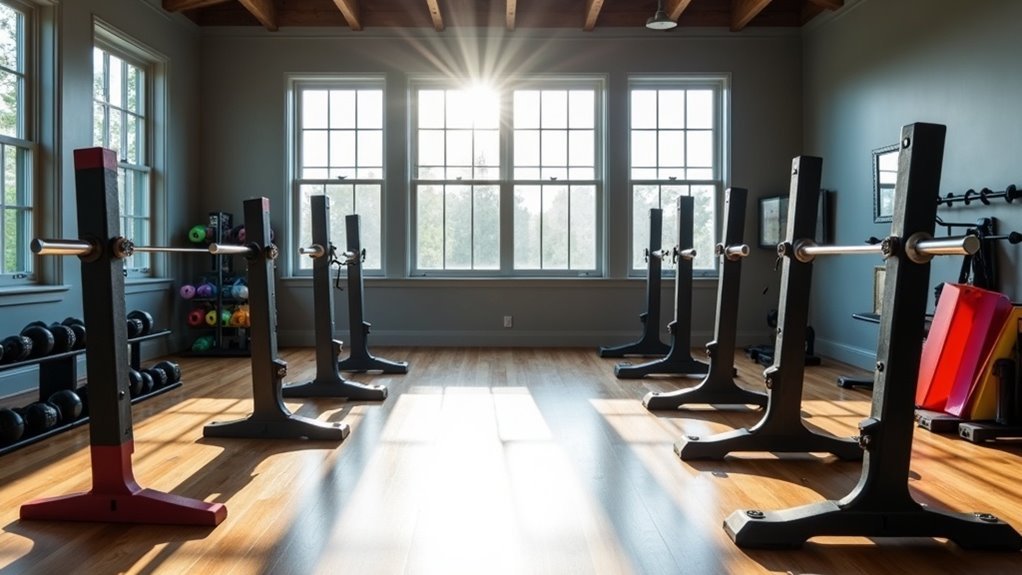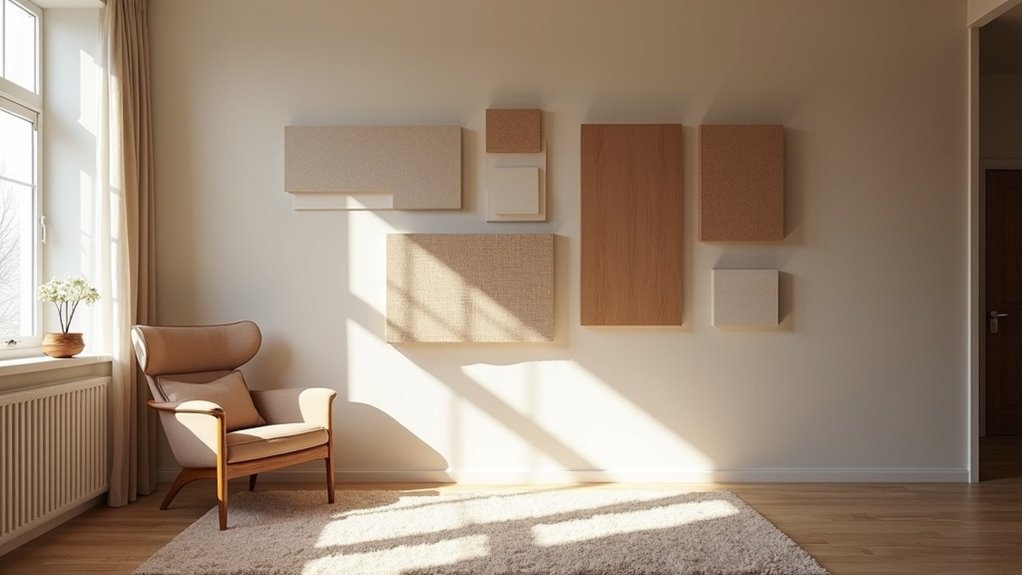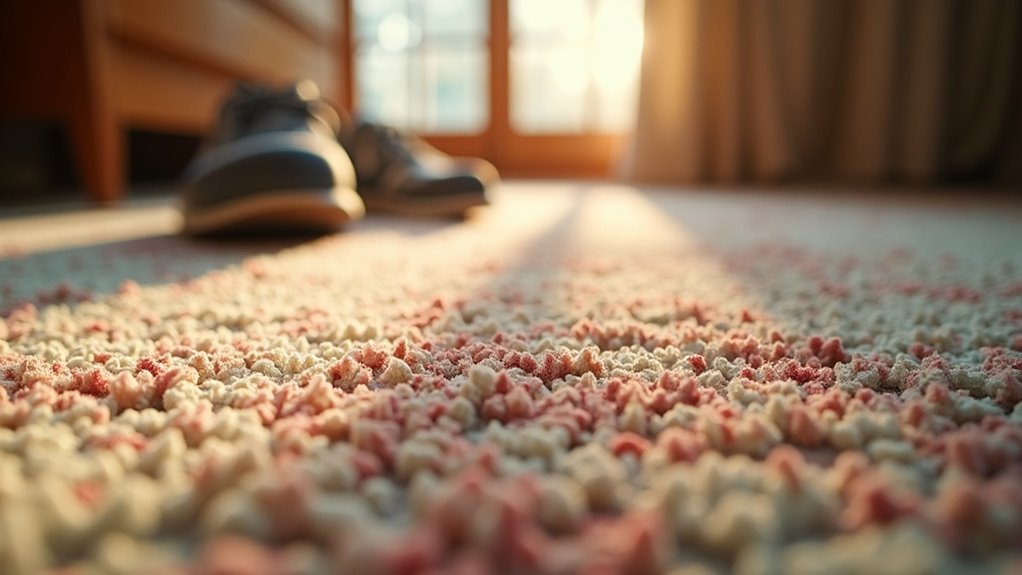
Flooring thickness plays a crucial role in joint comfort during home workouts, especially for both men and women looking to stay healthy and fit. Thicker flooring materials, ranging from 10mm to 12mm, provide enhanced cushioning and support, which is essential for reducing impact stress on your joints. This added thickness not only improves shock absorption but also helps to minimize strain during various exercises. A sturdy wear layer ensures durability and long-lasting performance, while high-quality materials can effectively smooth out any imperfections in your subfloor. This combination makes your workout environment safer and more enjoyable. If you’re interested in learning more about choosing the right flooring for your home gym, there are several important factors to consider.
Key Takeaways
- Opting for thicker flooring materials, typically ranging from 10mm to 12mm, significantly enhances shock absorption, helping to alleviate strain on your joints during home workouts.
- The increased thickness not only adds stability and support but also reduces the likelihood of joint discomfort and potential injuries, making your exercise routine safer.
- Flooring that features a wear layer of 20 mil or more ensures exceptional durability, providing enduring comfort for your feet during every workout session.
- The cushioning effect of thicker flooring materials effectively smooths out any imperfections in the subfloor, offering additional protection to your joints as you exercise.
- When installed correctly, thick flooring contributes to an overall improved comfort level, creating a safer and more efficient workout environment right in your home gym.
The Importance of Flooring Thickness
When considering flooring options for your home gym, the thickness of the material is crucial for your overall comfort and performance. Thicker flooring, especially in vinyl and laminate, enhances durability and sound absorption, which is vital for areas where you’ll be engaging in high-impact activities.
Options ranging from 5mm to 12mm can help cushion the impact of exercises, reducing strain on your joints during prolonged workouts. A wear layer of 20 mil or more in vinyl ensures stability and minimizes the risk of damage, further supporting your joints while you train.
Additionally, adequate thickness helps bridge minor subfloor imperfections, creating a smoother surface that’s easier on your body during workouts. By prioritizing thickness, you can create a more comfortable and effective home gym environment, allowing you to focus on your fitness goals.
How Thickness Provides Cushioning and Support
When selecting flooring for your home gym, it’s crucial to understand how thickness contributes to cushioning and support. Opting for thicker flooring options—such as laminate with a thickness between 10mm and 12mm—significantly enhances shock absorption.
Choosing thicker flooring, like 10mm to 12mm laminate, greatly improves shock absorption and joint protection in your home gym.
This feature is particularly beneficial for protecting your joints during workouts, making it a great choice for individuals with conditions like osteoarthritis. Even luxury vinyl flooring, with a thickness of 4mm to 6.5mm, provides ample cushioning that promotes comfort and helps reduce fatigue during your exercise sessions.
Moreover, a thicker wear layer not only boosts durability but also improves overall cushioning, which is essential for maintaining joint health, especially in high-traffic workout areas.
Keep these factors in mind to ensure you choose the ideal flooring for optimal support as you pursue your fitness goals at home.
The Impact of Flooring Materials on Joint Comfort
Choosing the right flooring material can significantly enhance joint comfort during home workouts. Thicker options, such as cushioned vinyl, provide essential support underfoot, reducing strain on joints—particularly beneficial for those dealing with conditions like osteoarthritis.
These durable materials are designed to withstand heavy foot traffic, maintaining their supportive qualities over time, which is crucial for a home gym setup. Additionally, thicker flooring offers improved sound insulation, minimizing impact noise and creating a more serene workout environment that can help alleviate stress on your joints.
With excellent thermal properties, thicker flooring keeps your feet warm, further easing joint pain that may arise from exercising on cold surfaces.
Sound Absorption and Its Role in Comfort
When you invest in thicker flooring materials for your home gym, you’re not just boosting the aesthetic appeal; you’re also significantly reducing noise levels.
These materials excel at absorbing sound, creating a quieter workout environment that enhances your acoustic comfort. This reduction in noise can be particularly beneficial for your joints, as it softens the impact of footfalls and minimizes echoes, resulting in a more comfortable and enjoyable space for exercising at home.
Impact on Noise Levels
When selecting flooring for your home gym, it’s essential to understand how thickness can influence noise levels and overall comfort during your workouts. Thicker flooring, usually 7mm or more, significantly enhances sound absorption, minimizing noise transmission and creating a more peaceful exercise environment. This improvement not only boosts comfort and durability but also helps in reducing the impact noise from weights or foot traffic, contributing to a more enjoyable workout experience.
| Thickness (mm) | Noise Reduction (%) |
|---|---|
| 5 | 15 |
| 7 | 25 |
| 10 | 30 |
| 12 | 35 |
| 15 | 40 |
Investing in thicker flooring for your home gym is a smart choice for enhancing your workout experience and maintaining your focus on health and fitness.
Enhancing Acoustic Comfort
Thicker flooring is an essential component in creating an ideal home gym environment, as it not only reduces noise levels but also enhances overall acoustic comfort.
Opting for flooring with a thickness of 7mm or more provides superior sound insulation, effectively dampening the impact of footfall noise during workouts in high-traffic areas. This increased thickness absorbs sound, creating a softer feel underfoot that enhances comfort while also reducing strain on your joints during extended exercise sessions.
Choosing the Right Thickness for Different Rooms
Choosing the right thickness for flooring in your home gym is essential to ensure safety and comfort during workouts. High-impact areas, such as spaces for weightlifting or high-intensity training, benefit from thicker flooring options (8mm to 12mm) that provide excellent shock absorption and stability, reducing the risk of injury. For areas designated for yoga or stretching, a slightly thinner flooring (6mm to 8mm) can still offer comfort while being cost-effective. Additionally, basements, often used for gym spaces, should utilize thicker materials (10mm or more) to accommodate any subfloor imperfections and provide a solid foundation for your workouts. Here’s a quick reference:
| Room Type | Recommended Thickness | Benefits |
|---|---|---|
| Weight Room | 8mm – 12mm | Shock absorption, stability |
| Cardio Area | 8mm – 12mm | Comfort, reduced impact |
| Yoga Studio | 6mm – 8mm | Cost-effective, flexibility |
| Basement Gym | 10mm+ | Stability, imperfection coverage |
| Multi-Purpose Room | 10mm+ | Durability, comfort |
Cost Considerations for Thicker Flooring Options
When considering thicker flooring options for your home gym, you’ll find that the initial investment is higher, but this often translates into greater durability and longevity under the wear and tear of exercise routines.
While budget-friendly thin flooring might seem appealing for a quick setup, its tendency for frequent replacement can lead to unexpected long-term costs.
Ultimately, investing in thicker flooring can enhance your workout experience, provide better support during exercises, and reduce maintenance expenses, making it a smart choice for your home gym budget.
Initial Investment vs. Longevity
While you might initially hesitate at the higher upfront costs of thicker flooring options for your home gym, it’s important to consider the long-term benefits they provide.
Thicker flooring typically offers enhanced durability and robust wear layers, which can withstand the heavy foot traffic and impact from your workouts. This durability means fewer replacements over time, ultimately lowering your long-term costs.
Although thinner flooring may seem budget-friendly at first, it often leads to more frequent replacements and potential issues with subfloor imperfections that can affect your exercise routine.
Investing in thicker flooring not only enhances comfort during your workouts but also guarantees longevity, making it a smart choice for a sustainable and hassle-free home gym experience.
Long-Term Value Analysis
Investing in thicker flooring options, such as 10-12mm laminate or 4mm luxury vinyl, can provide significant long-term value for your home gym.
Although the initial cost may be higher, the added thickness is crucial for delivering enhanced stability and durability, especially in areas that experience heavy use. This means you can expect fewer repair costs and a reduced need for premature replacements.
The comfort underfoot that thicker flooring provides can also contribute to long-term savings on medical expenses associated with joint discomfort from workouts.
Ultimately, selecting thicker materials ensures superior wear layers, promoting lasting performance and decreasing cumulative costs over time, allowing you to focus on achieving your fitness goals in a comfortable and safe environment.
Budgeting for Quality Choices
Choosing thicker flooring options for your home gym is a smart investment that can lead to significant long-term benefits. While the initial cost may seem high, here’s why opting for thicker flooring is a wise choice:
- Enhanced Durability: Thicker flooring can withstand wear and tear better, reducing the need for frequent replacements.
- Superior Comfort: The added thickness provides better cushioning, which is essential for protecting your joints during workouts.
- Ideal for High-Traffic Areas: Thicker materials are designed to handle heavy use, ensuring your gym remains in top shape for years to come.
- Cost-Effective Installation: A well-planned installation guide can help you manage your budget effectively while making quality choices for your fitness space.
Invest in your home gym with thicker flooring to enjoy a better workout experience and long-lasting results!
Professional Installation and Its Benefits
When you choose professional installation for your home gym flooring, you’re ensuring it’s laid correctly over the subfloor, which is crucial for maximizing comfort during workouts and minimizing joint strain.
Experienced installers understand the specific thickness requirements for thicker gym mats, ensuring that they’re installed properly to enhance joint comfort. They also assess subfloor preparation, making necessary adjustments to evenly distribute weight and improve comfort during exercises.
Furthermore, skilled professionals manage the acclimatization of materials and can recommend anti-fatigue underlayment options that provide additional cushioning, making your gym flooring more forgiving during prolonged workouts or high-impact activities.
This expertise ultimately leads to a more comfortable and effective home workout environment.
Long-Term Value of Investing in Quality Flooring
Investing in quality flooring for your home gym not only boosts immediate comfort but also delivers substantial long-term value.
Opting for thicker flooring options enhances durability and performance, making them capable of withstanding heavy foot traffic. Here are some compelling benefits tailored for both men and women committed to their fitness journeys:
- Longer Lifespan: Reduced need for replacements saves you money over time, allowing you to invest more in your fitness equipment.
- Enhanced Comfort: Improved cushioning provides better support during workouts, making it easier to push through those tough sessions.
- Durability Against Wear: Higher resistance to scratches and dents ensures your flooring looks great and functions well for years to come.
- Joint Protection: Quality flooring smooths out subfloor imperfections, helping to minimize strain on your joints and reduce the risk of injury.